Welcome to Absaroka County, Wyoming, the rugged and captivating world of Sheriff Walt Longmire. Created by bestselling author Craig Johnson, this modern Western mystery series has enthralled millions of readers and inspired a hit television show. But for newcomers and longtime fans alike, navigating the expansive series, with its novels, novellas, and short stories, can be a challenge. Where do you start? How do the short stories fit in? This guide provides the definitive answer, presenting all Craig Johnson books in order of publication.
Our comprehensive list will ensure you don't miss a single clue in Walt's world. We'll break down the publication order, explain where the novellas and short stories slot in, and offer a clear path through every investigation, from The Cold Dish to the latest release. Understanding how an author structures a series from its individual components can significantly enrich the reading experience. As you embark on this journey through the Longmire series, exploring the essential sections of a book can provide a deeper appreciation of a book's composition.
This guide is designed to be your ultimate companion, whether you're a first-time visitor to Durant or a seasoned veteran looking to reread the series chronologically. We've included chronological notes, series insights, and tips to enhance your reading journey, making it simple to follow Walt Longmire's career from its very beginning. Let's get started.
1. The Cold Dish (2004)
This is where it all begins. The Cold Dish, published in 2004, is the foundational novel that introduces readers to the world of Sheriff Walt Longmire and the rugged, expansive landscape of Absaroka County, Wyoming. As the first entry in the series, it's the undisputed starting point for anyone looking to experience the Craig Johnson books in order as the author intended. The novel immediately immerses you in Walt's world as he grapples with personal loss and the demands of justice in a small, tight-knit community.
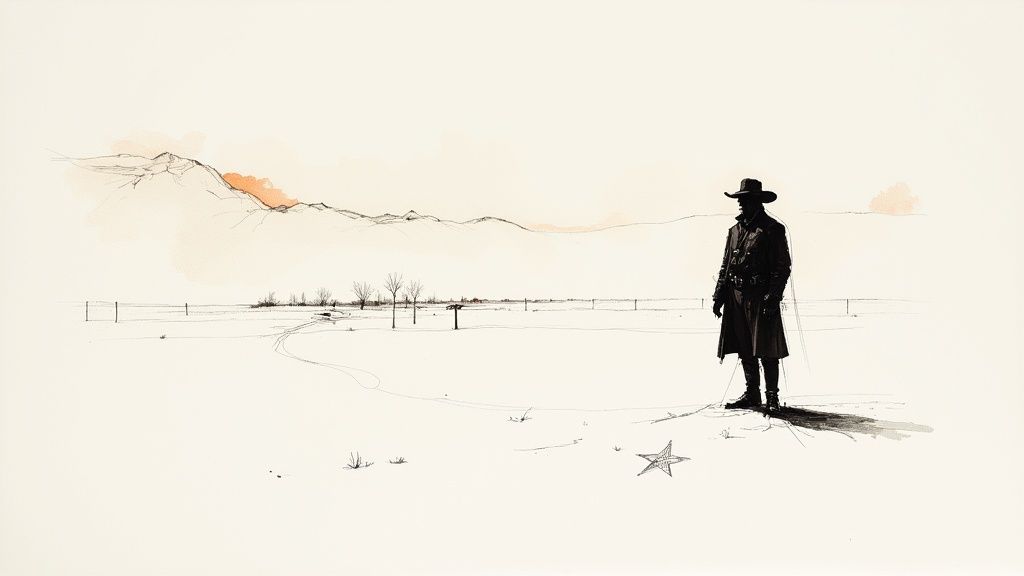
The plot kicks off when the body of Cody Pritchard is discovered, a young man who, along with three others, received a suspended sentence for a brutal assault on a Cheyenne girl years prior. When a second perpetrator turns up dead, Walt realizes a vigilante is serving a cold dish of revenge. This inaugural mystery establishes the series' signature blend of modern western, police procedural, and poignant character study, all underscored by Johnson’s rich, lyrical prose.
Why This Book is Essential
Starting with The Cold Dish is crucial for understanding the core dynamics that evolve throughout the entire series. It lays the groundwork for Walt's complex relationships, most notably with his best friend Henry Standing Bear, his undersheriff Victoria "Vic" Moretti, and his daughter Cady. You gain immediate insight into Walt's investigative style, his deep connection to the land, and the ghosts of his past.
Character Foundation: Introduces Walt’s world-weary but resilient personality, shaped by his experiences as a Marine in Vietnam and the recent death of his wife.
Setting the Scene: Absaroka County is as much a character as any person. This book vividly paints a picture of its beauty, isolation, and the unique cultural intersection between the white and Native American communities.
Award-Winning Debut: Its critical acclaim, including an Edgar Award nomination for Best First Novel, highlights its quality and immediate impact on the crime fiction genre.
For new readers, skipping this entry means missing the emotional and contextual bedrock upon which all subsequent stories are built. If you're deciding how to approach a new series, understanding the difference between release and chronological timelines can be helpful. You can explore this concept further by checking out this guide on complete vs. publication order for book series.
2. Death Without Company (2006)
Picking up right where the debut left off, Death Without Company cements Craig Johnson's formula for compelling mystery and rich character development. Published in 2006, this second installment solidifies the series' tone and is a crucial step for readers following the Craig Johnson books in order. The novel opens with a seemingly straightforward case: the death of Mari Baroja, a resident of the Absaroka County Home for the Aged, which Walt initially rules as natural causes. However, his old friend and predecessor, Lucian Connally, insists it was murder.
This case quickly unravels into something far more complex, pulling Walt into a decades-old mystery rooted in the Basque community of Wyoming and stretching back to the violent conflicts of the Spanish Civil War. Johnson masterfully weaves historical flashbacks into the present-day investigation, creating a dual narrative that is both poignant and thrilling. The story demonstrates the author's talent for blending contemporary crime with deep-seated historical grievances, a hallmark that becomes increasingly prominent in later books.
Why This Book is Essential
Death Without Company is vital for its expansion of the series' supporting cast and its exploration of how the past violently echoes into the present. It moves beyond just Walt's personal history to show how the entire community is shaped by events that occurred long before he became sheriff. This book deepens the reader's understanding of the intricate social fabric of Absaroka County.
Character Deepening: The novel provides the first significant backstory for the cantankerous but brilliant Lucian Connally, establishing his role as Walt’s mentor and conscience. It also further develops Vic Moretti's character, showcasing her tough exterior and unwavering loyalty.
Narrative Complexity: Johnson introduces a more layered storytelling approach by connecting a modern murder to a historical injustice. This technique becomes a beloved staple of the series, adding depth and emotional weight to the mysteries.
Thematic Expansion: The story explores themes of memory, heritage, and secrets that communities keep buried. It highlights how justice, like revenge, has no statute of limitations.
Reading the books in their intended sequence is key to appreciating this narrative growth. For those interested in the best ways to tackle a long-running series, understanding different reading orders can enhance the experience. You can explore this topic further by reading about how to approach any book series in order.
3. Kindness Goes Unpunished (2007)
The third novel in the series, Kindness Goes Unpunished, takes a dramatic turn by pulling Walt Longmire far from the familiar plains of Wyoming and dropping him into the gritty, urban landscape of Philadelphia. This change of scenery is critical, as it forces Walt out of his element and raises the personal stakes to an unprecedented level. For those following the Craig Johnson books in order, this installment is a pivotal moment that explores the sheriff’s deepest vulnerabilities when his family is threatened.

The story is set in motion when Walt receives a devastating phone call: his daughter, Cady, has been brutally assaulted and left in a coma. Dropping everything, Walt flies to her side, where he must navigate an unfamiliar city and a local police department that views him as a grieving father, not a fellow lawman. As he delves into Cady’s life, he discovers she was involved in a controversial art exhibit that made some dangerous enemies. This mystery powerfully demonstrates the personal cost of a law enforcement career and the lengths a father will go to protect his child.
Why This Book is Essential
Kindness Goes Unpunished is crucial for its deep dive into Walt’s character, particularly his role as a father. It moves beyond the professional duties of a sheriff and exposes the raw emotion driving him. The novel also provides significant development for Cady, transforming her from a peripheral character into a central figure with her own complexities and story arc that will resonate through later books.
Character Development: This is the first time readers see Walt operate extensively outside of Absaroka County, testing his methods and morals against a different code of justice.
Deepens Personal Stakes: By centering the plot on Cady’s life-or-death situation, the book adds profound emotional weight to the series and solidifies the fierce bond between father and daughter.
Cultural Contrast: The stark contrast between rural Wyoming and urban Philadelphia highlights Walt's unique worldview and his unyielding sense of right and wrong, no matter the jurisdiction.
Reading this book in sequence is vital for understanding the evolution of the Longmire family dynamic and the events that shape Cady's future. For those interested in seeing how authors build their fictional worlds book by book, you can find more examples by exploring other authors' series here: learn more about following books in order by author.
4. Another Man's Moccasins (2008)
The fourth novel in the Walt Longmire series, Another Man's Moccasins, plunges readers into a complex, multi-jurisdictional mystery that solidifies the series' reputation for tackling tough, real-world issues. Published in 2008, this entry is a pivotal point in the Craig Johnson books in order, showcasing Walt's investigative tenacity as he confronts a case that spans from his own backyard to the icy landscapes of Alaska. The story opens with a shocking discovery: a young Vietnamese woman is found murdered along the highway in Absaroka County, setting off an investigation that spirals into the dark world of international human trafficking.

As Walt digs deeper, the case forces him to walk in another man's moccasins, both literally and figuratively, by connecting the current crime to a cold case from his early days as a deputy. This forces him to navigate the sensitive lines of tribal sovereignty on the Northern Cheyenne Reservation and collaborate with outside law enforcement agencies, all while confronting his own past. The novel masterfully balances a high-stakes thriller with intimate character development, further enriching the lore of Absaroka County and its inhabitants.
Why This Book is Essential
Another Man's Moccasins is a critical read as it significantly expands the scope of Walt's world and the types of crimes he faces. It demonstrates Johnson’s ability to weave intricate plots with social commentary, elevating the series beyond a standard western mystery. The story was also adapted for an episode in the popular Longmire television series, highlighting its compelling narrative.
Expanded Scope: The plot moves beyond Absaroka County, introducing international elements and demonstrating how global issues can impact even the most isolated communities.
Cultural Depth: The novel provides a deeper exploration of Walt's respect for Native American culture and the complexities of tribal law, a recurring and vital theme throughout the series.
Character Evolution: Readers witness a younger, less experienced Walt through flashbacks, offering crucial insight into the man he has become and the events that shaped his career as sheriff.
This book is a turning point that proves the series can handle sprawling, sophisticated mysteries while retaining its grounded, character-focused heart. You can learn more details about this novel and others in the Walt Longmire series on this series list page.
5. The Dark Horse (2010)
In the fifth novel, Craig Johnson takes Walt Longmire out of his Absaroka County comfort zone and into the neighbouring, impoverished town of Absalom. The Dark Horse, published in 2010, is a pivotal entry in the Craig Johnson books in order, as it tests the absolute limits of Walt's loyalty and moral compass. This book shifts the focus squarely onto Walt's profound friendship with Henry Standing Bear, placing the Cheyenne Nation in a perilous situation that only Walt can help him navigate.
The story ignites when Walt's wife, Martha, is posthumously accused of having an affair, a claim tied to a man now found dead. When his best friend Henry is discovered at the scene with a bottle of bourbon and a pocketful of cash, the local sheriff arrests him for murder. Convinced of Henry's innocence, Walt goes undercover as an insurance investigator, buying a local bar and immersing himself in the town's dark secrets to find the real killer. This novel brilliantly explores themes of unwavering friendship, corruption, and justice in a forgotten corner of Wyoming.
Why This Book is Essential
The Dark Horse is a masterclass in character development, pushing the central relationship between Walt and Henry to its breaking point while simultaneously advancing the slow-burning romance between Walt and Vic. It’s a crucial story that reveals just how far Walt is willing to go for the people he loves, even if it means bending the law he has sworn to uphold. The novel’s plot was also adapted for an episode in the Longmire television series, highlighting its dramatic impact.
Friendship Under Fire: This novel is the ultimate test of the Walt and Henry dynamic. Understanding their bond here is essential for appreciating their interactions in all subsequent books.
Romantic Development: Walt's feelings for Vic Moretti become more pronounced and complicated, adding a significant layer of personal drama that continues to evolve.
Moral Complexity: Readers are forced to consider the ethical dilemmas Walt faces as he operates outside his jurisdiction, blurring the lines between right and wrong to protect a friend.
Skipping this entry means missing a foundational examination of Walt's core loyalties. It’s a story that proves his dedication isn't just to the badge but to the people who form the heart of his world.
6. Junkyard Dogs (2012)
The sixth entry in the series, Junkyard Dogs, marks a pivotal moment where the stakes in Absaroka County are raised significantly higher. Published in 2012, this novel sees Walt Longmire investigating a murder that uncovers a deep-seated and dangerous network of corruption. For those reading the Craig Johnson books in order, this book represents a shift toward darker, more intricate conspiracies that threaten the very fabric of Walt's community.
The story begins at the local dump, where a severed thumb is discovered. This grim finding leads Walt to the body of a wealthy but despised real estate developer. As Walt digs deeper, he unearths a hornet's nest of greed and illegal dealings involving some of the county's most prominent and powerful figures. The investigation becomes intensely personal and perilous, forcing Walt to confront adversaries who operate in plain sight and hold considerable sway.
Why This Book is Essential
Junkyard Dogs is crucial for understanding how Walt navigates threats that come not from outsiders, but from within his own jurisdiction. It explores themes of small-town corruption and the moral compromises people make for power and money. The novel's complex web of suspects and motives showcases Johnson’s skill at crafting a tightly wound mystery where nothing is as it seems.
Elevating the Stakes: This book moves beyond a single crime to expose a systemic rot, demonstrating how power and influence can shield the guilty. Walt's investigation puts him and his team in direct opposition to dangerous, well-connected people.
Character Under Pressure: Witness how Walt, Vic, and Henry respond when the lines between friend and foe blur. The case tests their loyalties and forces them to take significant personal risks to uncover the truth.
Complex Plotting: The narrative is more intricate than previous entries, requiring readers to track numerous players and their hidden agendas. It’s a rewarding read that pays off with a stunning conclusion.
This entry is a masterclass in building tension and is foundational for the larger, overarching conflicts that develop in later books. Skipping it would mean missing a key evolution in the series' tone and complexity.
7. Hell Is Empty (2011)
In the seventh installment, Craig Johnson takes Walt Longmire out of his familiar Absaroka County jurisdiction and throws him into the unforgiving Bighorn Mountains during a brutal blizzard. Hell Is Empty is a raw, visceral tale of survival that strips the series down to its most elemental components: one man, a dangerous fugitive, and the overwhelming power of nature. This book is a pivotal entry for those following the Craig Johnson books in order, as it tests Walt's physical and psychological limits like never before.
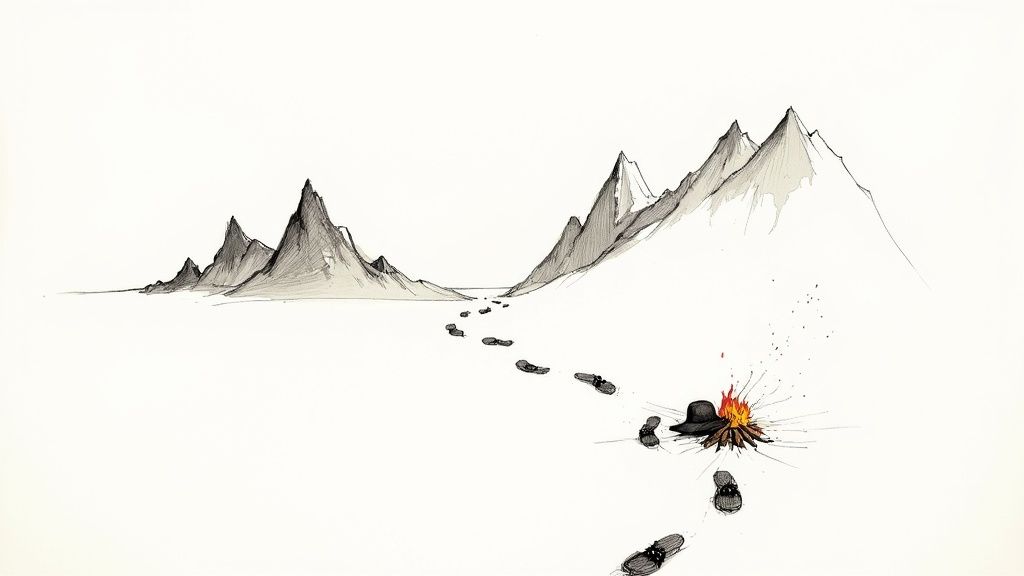
The narrative follows Walt as he transports a group of convicts, but an escape forces him to pursue a truly monstrous killer deep into the wilderness. Cut off from backup and armed with limited resources, Walt relies on his deep-rooted tracking skills and sheer determination. The story is a gripping blend of a manhunt and a survival epic, infused with elements of Dante's Inferno and Native American spiritualism, making for a uniquely profound and suspenseful read.
Why This Book is Essential
Hell Is Empty offers a concentrated dose of Walt Longmire's character, isolating him from his usual support system. This forces readers to see him at his most vulnerable and most resilient. While it's more of a standalone adventure, its thematic depth enriches the entire series by exploring the darker corners of justice, morality, and the human spirit.
Intense Character Study: By removing Vic, Henry, and the rest of the cast, the focus shifts entirely to Walt's internal monologue, his moral compass, and his will to survive against impossible odds.
Showcases Survival Skills: This novel highlights Walt as a true Westerner and outdoorsman, demonstrating his profound connection to and understanding of the Wyoming wilderness.
A Standalone Thriller: Its self-contained plot makes it one of the few books in the series that can be enjoyed somewhat independently, offering an intense and satisfying narrative arc for readers who appreciate survival stories.
This book is a masterclass in tension and atmosphere, proving that the harshest adversary Walt Longmire can face is often the landscape itself. It’s an essential, heart-pounding chapter in his ongoing saga.
8. As the Crow Flies (2012)
Published in 2012, As the Crow Flies pulls Sheriff Walt Longmire out of his familiar Absaroka County jurisdiction and into the rugged, isolated landscape of the Northern Cheyenne Indian Reservation. This eighth novel is a pivotal entry for those reading the Craig Johnson books in order, as it places Walt in an unfamiliar environment where his authority is limited and his alliances are tested. The story masterfully combines a high-stakes investigation with deep explorations of cultural friction and personal responsibility.
The plot begins with Walt and Henry Standing Bear scouting a location for Cady's upcoming wedding. Their plans are violently interrupted when a young Cheyenne woman, Audrey, is thrown from a cliff, and the new Tribal Police Chief, Lolo Long, is found gravely wounded nearby. With Lolo incapacitated, Walt is reluctantly deputized to lead the investigation on the reservation, forcing him to navigate a complex web of jurisdictional politics, family secrets, and simmering resentment.
Why This Book is Essential
As the Crow Flies is crucial for showcasing Walt’s character outside his comfort zone and for deepening the series’ nuanced portrayal of Native American culture and law. The novel is a masterclass in building tension, as Walt must solve the crime while contending with a community that is rightfully wary of outsiders. It also significantly advances the personal lives of the main characters, particularly Cady and Vic.
Jurisdictional Drama: The setting on the reservation introduces a compelling new dynamic, highlighting the real-world complexities of law enforcement across different jurisdictions and cultures.
Character Development: Walt's adaptability and moral compass are put to the ultimate test. The book also introduces Lolo Long, a memorable and formidable character who becomes an important figure in the series.
Personal Stakes: Cady’s impending wedding adds an emotional undercurrent to the entire narrative, raising the stakes and making the dangers Walt faces feel even more immediate.
For readers following the series, this book marks a turning point where personal and professional conflicts become inextricably linked. Skipping it means missing a critical chapter in Walt's evolution and the development of his relationships with those closest to him, both on and off the reservation.
In-Order Comparison: 8 Craig Johnson Books
| Title (Year) | Plot complexity / Structure | Reader effort / Familiarity | Expected outcome | Ideal use case | Key advantages |
|---|---|---|---|---|---|
| The Cold Dish (2004) | Moderate — cold-case procedural with gradual backstory reveal | Low–Medium — accessible entry point to series | Strong character introduction and sense of place | First read to start the series | Excellent character foundation; award-winning opening |
| Death Without Company (2006) | Medium–High — multiple connected murders with historical flashbacks | Medium — attention needed to link past and present | Deeper character work and layered mystery | Readers who enjoy historical subplots in crime fiction | Richly layered mystery; expands supporting cast |
| Kindness Goes Unpunished (2007) | Medium — cross-jurisdiction family-centered investigation | Medium — follows series but shifts setting to Philadelphia | Heightened personal stakes and family development | When you want character depth and emotional stakes | Expands series geography; deepens father-daughter arc |
| Another Man's Moccasins (2008) | High — multi-jurisdictional case involving reservation and international elements | High — sensitive topics and complex plot threads | Tackles social issues and broadens thematic scope | Readers interested in Native sovereignty and trafficking issues | Thematic depth; expanded geographic and legal complexity |
| The Dark Horse (2010) | Medium — legal-defense and moral-ambiguity focus with romantic tension | Medium — follows ongoing relationships and court elements | Explores loyalty, friendship, and emerging romance | When character relationships and moral dilemmas are central | Deepens key relationships; strong character-driven narrative |
| Junkyard Dogs (2012) | High — corruption network and escalating personal danger | High — many players and political threads to track | Darker tone with higher stakes and multiple twists | Readers who prefer political/corruption thrillers within a series | Intensified suspense; complex portrayal of local power |
| Hell Is Empty (2011) | Medium — standalone wilderness pursuit with survival and philosophical themes | Medium — can be read independently of series order | Intense psychological and survival-focused experience | As a change of pace or standalone survival story | Unique setting; tests protagonist's limits and morality |
| As the Crow Flies (2015) | Medium–High — return to core setting with links to series-long arcs | High — benefits from familiarity with prior novels | Advances long-term plots and deepens emotional continuity | Best for continuing series readers tracking overarching story | Balances personal stakes with series continuity and development |
Beyond the Badge: Continuing Your Longmire Journey
You've now navigated the foundational cases of Sheriff Walt Longmire, from the chilling investigation in The Cold Dish to the high-stakes drama of As the Crow Flies. This initial journey through Absaroka County provides a powerful introduction to the characters, the landscape, and the complex moral tapestry that defines Craig Johnson's world. But as any seasoned reader knows, this is just the beginning of a much longer, richer trail.
The true beauty of the series unfolds as you follow the craig johnson books in order of publication. This path allows you to witness the organic evolution of Walt, Vic, and Henry Standing Bear. You experience their triumphs, their losses, and their deepening relationships in the exact sequence the author intended, ensuring that character developments and recurring plot threads resonate with maximum impact. You now have a reliable map to guide you, whether you’re a newcomer or a longtime fan looking to organize a reread.
Key Takeaways for Your Longmire Reading Path
Mastering the reading order isn't just about checking boxes on a list; it's about enhancing your entire experience with the series. Here are the most critical takeaways to guide your next steps:
Publication Order is King: For first-time readers, sticking to the publication order is the most rewarding path. It preserves every narrative surprise and character reveal, allowing the overarching story of Absaroka County to unfold naturally.
Integrate the Novellas: Don't skip the short stories and novellas like Wait for Signs or The Spirit of Steamboat. These shorter works often fill in crucial emotional gaps, provide vital backstory, and add layers of depth to the main characters between the full-length novels. Placing them correctly in your reading timeline enriches the primary narrative.
Chronological vs. Publication: While the chronological order largely mirrors the publication order, minor deviations exist. The chronological path is an excellent option for a second read-through, offering a fresh perspective on how events truly unfolded for Walt and his team.
Understanding the proper sequence of craig johnson books in order transforms your reading from a simple pastime into an immersive journey. It ensures you appreciate the subtle foreshadowing, the slow-burning character arcs, and the intricate web of relationships that make this series a modern classic in the mystery genre. Once you've explored the world of Walt Longmire, you might be looking to discover other compelling authors who craft equally intricate worlds and unforgettable characters.
Your Next Steps in Absaroka County
With this guide in hand, your path forward is clear. Whether you choose to dive directly into the next novel in the series, Dry Bones, or take a brief detour with a novella, you are now equipped to explore the remainder of Craig Johnson’s expansive bibliography with confidence. The adventure in Wyoming is far from over. New cases, formidable adversaries, and profound personal challenges await Sheriff Longmire, and you are perfectly positioned to experience every moment as it was meant to be read.
Happy reading, and may your continued journey through Absaroka County be as thrilling and thought-provoking as the very first page.
Never lose your place in a series again. For the most accurate and up-to-date reading lists for Craig Johnson and thousands of other authors, visit Books In Order. Our meticulously curated database ensures you always know which book comes next. Find your next great read at Books In Order.
Tags: craig johnson books in order, walt longmire series, craig johnson checklist, longmire novels, reading order