Jack Higgins, the pen name of Harry Patterson, crafted a legendary career spanning over 85 novels, becoming a titan of the spy thriller genre. For new and returning readers, the sheer volume of his work can be intimidating. Where do you start? How do the different series connect, and which standalone novels are essential reading? This comprehensive guide provides the ultimate roadmap to all Jack Higgins books in order, ensuring you experience his intricate plots and unforgettable characters as intended.
We will break down his entire bibliography into a clear, actionable reading plan. This guide meticulously organizes his major series, including the iconic Sean Dillon saga, highlights pivotal standalone adventures, and even demystifies the works published under his various pseudonyms like Harry Patterson and Martin Fallon. Understanding the correct sequence is crucial, as Higgins often builds upon character histories and world events across his narratives.
This isn't just a list; it's a strategic resource designed to help you navigate the thrilling, high-stakes universe of a true master storyteller. We'll detail the publication order for each series, provide context for chronological reading where applicable, and offer recommended starting points for those new to his work. We'll begin by examining eight pivotal novels that showcase his evolution and define his legacy, providing the perfect entry points into his vast bibliography. Following a structured guide for Jack Higgins books in order is the best way to appreciate the full scope of his interconnected world of espionage and adventure.
1. The Eagle Has Landed (1975)
Often cited as the quintessential Jack Higgins novel, The Eagle Has Landed is the book that catapulted the author to international stardom. This standalone World War II thriller is widely considered the perfect entry point into Higgins' extensive bibliography. The story details a meticulously planned Nazi plot, sanctioned by Hitler himself, to parachute into a quiet Norfolk village with the audacious goal of kidnapping British Prime Minister Winston Churchill.
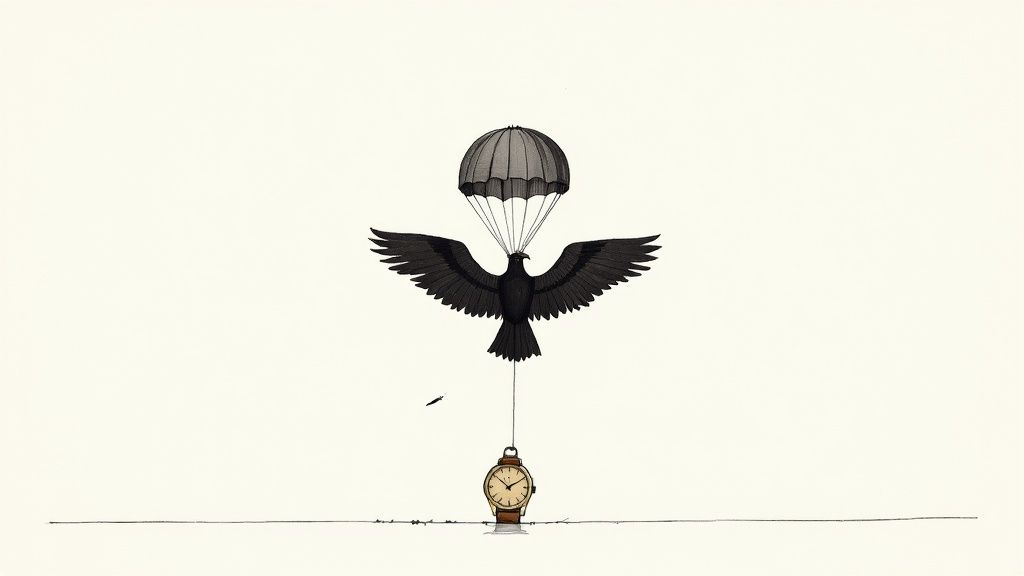
The novel is a masterclass in suspense, pitting a team of elite German commandos, led by the charismatic and honorable Oberst Kurt Steiner, against a sleepy English village. Higgins brilliantly blurs the lines between hero and villain, forcing the reader to sympathize with the German soldiers even as they root for their failure. This moral complexity and focus on character depth became a hallmark of his writing style.
Why It's a Must-Read First
This book perfectly encapsulates the elements that define a classic Higgins thriller. Reading it first provides a foundational understanding of his narrative structure, pacing, and character development, which helps contextualize his other works, including the popular Sean Dillon series.
- Actionable Tip: Pay close attention to how Higgins builds tension not just through action sequences, but through the internal conflicts and moral dilemmas of his characters. This approach is central to understanding his appeal.
The novel’s immense success led to a popular 1976 film adaptation starring Michael Caine and Donald Sutherland, which further cemented its place in pop culture. Exploring the complete reading order for The Eagle Has Landed and its sequels is a great next step for those captivated by this thrilling story.
Key Takeaways for New Readers
Historical Context: The book was written in 1975, and its portrayal of German soldiers with a sense of honor and duty was a relatively fresh perspective in post-war popular fiction.
Narrative Style: Notice the short, punchy chapters and shifting points of view. Higgins uses this technique to maintain a relentless pace and provide a multi-faceted view of the unfolding events.
Legacy: The Eagle Has Landed set a new standard for the WWII espionage genre, influencing countless authors and establishing the "mission-based thriller" as a popular subgenre.
2. Storm Warning (1976)
Following the monumental success of his previous novel, Jack Higgins delivered Storm Warning, a standalone World War II naval adventure that cemented his reputation as a master of the genre. Set in the waning days of the war, the story follows a group of German civilians, including twenty-two nuns, desperately attempting to escape the advancing Red Army aboard an ancient sailing ship, the Deutschland. Their perilous journey across the stormy North Atlantic becomes a race against time, nature, and enemy forces.
This novel is a compelling high-seas thriller, shifting the action from land-based espionage to a desperate maritime struggle. Higgins demonstrates his versatility by creating a tense, atmospheric narrative driven by the raw forces of the ocean and the indomitable will of his characters. The American protagonist, a cynical adventurer who finds himself entangled in their plight, must confront his own moral compass amidst the chaos. The book explores themes of survival, redemption, and unlikely alliances in the face of overwhelming odds.
Why It's a Great Follow-Up Read
After The Eagle Has Landed, Storm Warning showcases Higgins' ability to craft equally gripping suspense outside of the military commando framework. It broadens a new reader's understanding of his range, proving his storytelling prowess extends to different settings and character archetypes.
- Actionable Tip: Track how Higgins uses the harsh natural environment, the North Atlantic storm, as an antagonist in its own right. This external conflict intensifies the internal struggles and moral decisions the characters are forced to make, a key technique in his writing.
The novel is another superb example of how to structure a historical thriller, making it an essential part of the Jack Higgins books in order for anyone wanting a comprehensive experience. For those interested in how authors sequence their narratives, exploring the chronological order of books can provide deeper insights into storytelling.
Key Takeaways for New Readers
Moral Ambiguity: Notice how the protagonists are not clear-cut heroes. Their motivations are complex and often self-serving, forcing readers to engage with characters who operate in gray ethical areas.
Atmospheric Tension: The novel excels at building a sense of claustrophobia and dread. Higgins uses the confined space of the ship and the relentless storm to create a palpable, high-stakes atmosphere.
Shift in Focus: This book highlights Higgins’ skill in maritime action and survival narratives, a recurring theme in some of his other works. It’s a great showcase of his versatility beyond pure espionage.
3. The Dark Side of the Street (1977)
A pivotal work in Jack Higgins' bibliography, The Dark Side of the Street marked a significant expansion beyond historical military thrillers into the gritty world of contemporary urban crime. This standalone novel showcases his versatility, weaving a tense narrative where espionage, crime, and political intrigue collide on the shadowy streets of 1970s London. The story follows a disgraced special agent given one last chance at redemption: to infiltrate a powerful criminal organization from the inside.

The novel is a masterclass in atmosphere, trading the battlefields of World War II for the claustrophobic alleys and rain-slicked pavements of a morally ambiguous city. Higgins excels at portraying the blurred lines between law enforcement and the criminal underworld, crafting a noir-infused plot that keeps readers guessing. The protagonist, a man with a dark past and an uncertain future, is a precursor to the complex anti-heroes that would later define his most famous series.
Why It's an Essential Read
This book demonstrates Higgins' ability to adapt his signature suspense to a different genre, proving his storytelling prowess extends beyond war-torn settings. Reading it provides insight into the evolution of his style and themes, which would later be refined in his contemporary thrillers, especially those featuring Sean Dillon. It is a key piece in understanding the full spectrum of Jack Higgins books in order.
- Actionable Tip: As you read, appreciate the noir atmosphere as a character in itself. Notice how Higgins uses the grimy, oppressive London setting to amplify the tension and reflect the moral decay of the characters.
The novel’s focus on street-level crime and its intersection with high-level politics was a fresh direction that laid the groundwork for many of his subsequent bestsellers. It solidified his reputation as an author who could deliver a compelling thriller in any environment.
Key Takeaways for New Readers
Genre Shift: This novel represents a deliberate move into the contemporary crime thriller genre. It’s an excellent example of how Higgins blended the pacing of an espionage story with the hardboiled feel of classic crime fiction.
Character Archetype: The protagonist is a classic Higgins anti-hero: cynical, highly skilled, and operating within a grey moral area. Recognizing this archetype is key to appreciating his later, more famous characters.
Political Context: The story is deeply rooted in the social and political anxieties of 1970s Britain, touching on themes of corruption and the erosion of trust in institutions. This adds a layer of depth to the action-driven plot.
4. To Catch the Wild Wind (1978)
A departure from his typical military thrillers, To Catch the Wild Wind is an ambitious standalone novel that showcases Jack Higgins' versatility and mastery of historical narrative. This epic story spans several decades, following the life of Joe Savanna, a pilot whose adventures take him from the skies of World War II to the high-stakes world of post-war aviation and Cold War espionage. The plot weaves together elements of romance, adventure, and political intrigue on a global scale.

The novel is a sprawling saga that demonstrates Higgins' skill in crafting a long-form, character-driven story that feels both personal and grand. It follows Joe from his early days as a daredevil pilot to his complex relationships and dangerous encounters with powerful figures. The narrative expertly balances thrilling aerial combat sequences with the intricate political and personal dramas that define Joe's life, creating a rich and immersive reading experience.
Why It's a Great Standalone Read
For readers interested in the full scope of Jack Higgins' talent beyond his military-focused stories, this book is essential. It highlights his ability to blend historical fiction with adventure and proves he is as adept at creating sweeping, decades-long narratives as he is at crafting taut, contained thrillers. This makes it a fascinating read for those looking to explore a different side of the author's work.
- Actionable Tip: As you read, track the timeline of events. The story's progression from the 1940s into the Cold War era is central to understanding the protagonist's evolution and the changing geopolitical landscape that shapes his destiny.
This novel is a powerful example of the kind of epic storytelling found within the complete list of Jack Higgins books in order, offering a compelling alternative to the more famous mission-based plots he is known for.
Key Takeaways for New Readers
Genre Blend: The book is a unique mix of historical fiction, romance, and adventure. It moves away from the pure espionage focus of other titles to deliver a more character-centric, biographical-style narrative.
Narrative Scope: Unlike the tight timelines of novels like The Eagle Has Landed, this story's expansive, multi-decade arc allows for deep character development and a broader look at historical events.
Pacing: The pace is more measured, building momentum through the accumulation of life events rather than a single, high-stakes mission. This showcases a different, but equally compelling, storytelling style from Higgins.
5. The Run to the Stars (1981)
The Run to the Stars marks a significant pivot in Jack Higgins' writing, signaling a move from the complex, morally ambiguous WWII thrillers of the 1970s toward the high-octane, action-centric narratives that would define his later career. Published under the pseudonym Harry Patterson, this novel showcases a distinct focus on military precision, elite operatives, and fast-paced tactical operations. The plot centers on a desperate mission to retrieve a vital piece of Soviet space technology.
This novel is a showcase of Higgins' talent for crafting tight, suspenseful action sequences grounded in technical detail. The story follows a hardened special forces veteran tasked with the near-impossible retrieval, pitting him against ruthless KGB agents in a race against time. The narrative is less about the moral shades of grey and more about the brutal efficiency and high stakes of Cold War espionage, establishing a template for the action-thriller format Higgins would perfect in the coming decades.
Why It's a Key Transitional Novel
Reading this book provides crucial insight into the evolution of Higgins' style. It serves as a bridge between his earlier historical thrillers and the modern, politically charged adventures of characters like Sean Dillon. Understanding this transition is essential for appreciating the full scope of the Jack Higgins books in order and seeing how he adapted his storytelling for a new era.
- Actionable Tip: As you read, compare the direct, streamlined action sequences in this book to the more character-driven suspense in The Eagle Has Landed. This contrast highlights Higgins' versatility and conscious shift in narrative focus.
This novel is a must-read for fans who want to see the DNA of the Sean Dillon series being formed. The relentless pacing and focus on a highly skilled, resourceful protagonist became foundational elements of his most famous works.
Key Takeaways for New Readers
Template for Action: Recognize this novel as a blueprint for Higgins' major works of the 80s and 90s. The structure of a "mission impossible" led by a battle-hardened hero against formidable state-sponsored enemies is crystallized here.
Technical Accuracy: Appreciate the detailed descriptions of military hardware, tactics, and operational procedures. Higgins' commitment to authenticity adds a layer of realism that elevates the action beyond simple escapism.
Narrative Shift: This book represents a deliberate move toward a more commercial, action-oriented style that proved immensely popular and set the stage for his future bestsellers.
6. Exocet (1983)
Exocet is a prime example of Jack Higgins' talent for weaving contemporary geopolitical events into a high-stakes thriller. Published shortly after the Falklands War, the novel plunges readers into a tense world of arms dealing, espionage, and cutting-edge military technology. The plot revolves around a desperate attempt by Argentina to acquire French-made Exocet missiles, the very weapons that proved devastatingly effective against British warships during the real-life conflict.
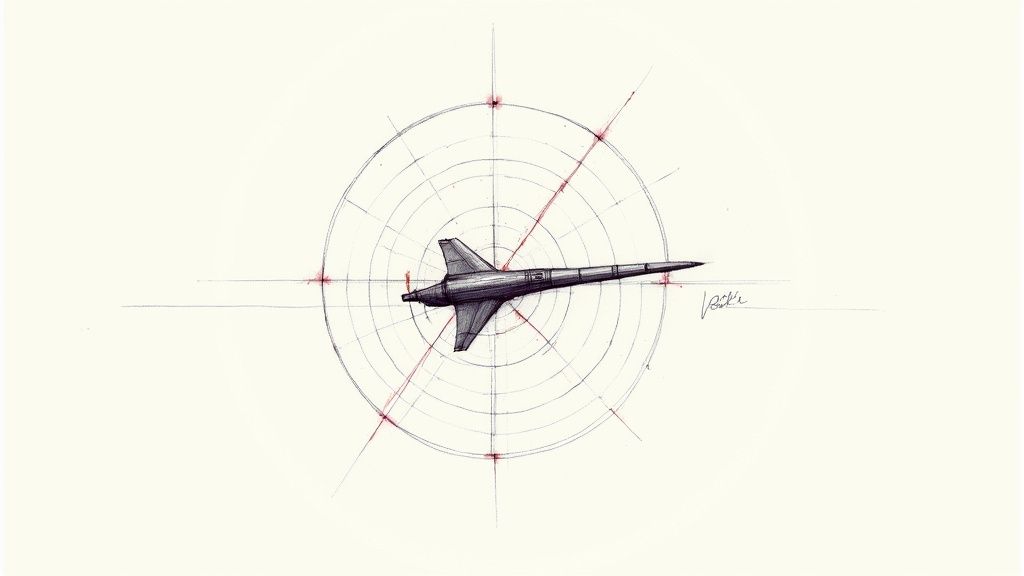
The story follows Tony Villiers, a former RAF pilot turned mercenary, who is hired by British intelligence to impersonate an arms dealer and intercept the missile sale. Higgins masterfully captures the paranoia and high-stakes maneuvering of the Cold War era, crafting a narrative that feels both authentic and prescient. The novel is less about grand battles and more about the shadowy games played by spies and governments, where a single technological advantage can alter the course of a war.
Why It's a Must-Read
This book is essential for understanding how Higgins used real-world events to add a layer of gripping realism to his fiction. It showcases his ability to move beyond historical settings like WWII and tackle the complexities of modern warfare and intelligence. Reading Exocet provides a different perspective on the jack higgins books in order, highlighting his versatility as a storyteller.
- Actionable Tip: Before reading, take a few minutes to familiarize yourself with the basics of the 1982 Falklands War, particularly the role of the Exocet missile. This context will dramatically enhance your appreciation for the novel's tension and authenticity.
The novel stands as a testament to Higgins' skill in creating suspense not just through physical action but through strategic and technological threats. For those interested in stories where technology itself is a central character, exploring other modern action and adventure books can provide a similar thrill.
Key Takeaways for New Readers
Geopolitical Context: Exocet is deeply rooted in the early 1980s. Understanding the tensions between the UK, Argentina, and France during this period is key to grasping the plot's significance.
Techno-Thriller Elements: This novel was ahead of its time, presaging the techno-thriller genre that would become massively popular later in the decade. Notice how the plot hinges on the capabilities of a single piece of military hardware.
Moral Ambiguity: As with many Higgins protagonists, Tony Villiers is a flawed hero operating in a gray world. His motivations and methods are complex, forcing the reader to question the true nature of right and wrong in international conflicts.
7. Night of the Fox (1986)
Returning to the historical battleground of World War II, Night of the Fox showcases Jack Higgins at the peak of his storytelling powers. This standalone novel is a masterwork of espionage and deception, revolving around a daring Allied plot to rescue an American officer who holds critical knowledge of the D-Day invasion plans. His capture by the Germans on the occupied island of Jersey sets in motion a high-stakes intelligence game.
The plot is a complex web of lookalikes, double agents, and brilliant tactical maneuvers, pitting the resourceful Allied agent Harry Kelso against the formidable German Field Marshal Erwin Rommel. Higgins crafts a tense, atmospheric thriller where the line between friend and foe is constantly shifting. The narrative is celebrated for its historical accuracy, intricate plotting, and the compelling intellectual duel between its central characters.
Why It Stands Out in the Collection
This novel demonstrates Higgins' matured ability to weave historical fact with compelling fiction, creating a story that feels both epic in scope and intensely personal. It’s a perfect example of his skill in building suspense through psychological warfare rather than just physical conflict, making it a standout among the many Jack Higgins books in order.
- Actionable Tip: Observe how Higgins uses the confined setting of the occupied island of Jersey to amplify the tension. The limited space creates a pressure-cooker environment where every move is scrutinized and the stakes are incredibly high.
The book’s intricate plot is reminiscent of the complex military strategies found in other thriller series, offering a fascinating contrast. Fans of detailed mission planning, such as that seen in the Jack Reacher series, will appreciate the meticulous detail in this novel. You can discover more about the intricate plotting of such characters by exploring the complete Jack Reacher reading order.
Key Takeaways for New Readers
Historical Context: The story is set in the lead-up to D-Day, and Higgins masterfully incorporates real historical figures like Rommel, adding a layer of authenticity and gravity to the fictional plot.
Narrative Style: Higgins employs a cat-and-mouse narrative structure, constantly alternating between the Allied and German perspectives. This technique keeps the reader guessing and builds suspense to a fever pitch.
Legacy: Night of the Fox solidified Higgins' reputation as a premier author of WWII espionage thrillers, proving that The Eagle Has Landed was no fluke. It is often regarded by fans as one of his most sophisticated and cleverly constructed novels.
8. Cold Harbour (1990)
Cold Harbour is a standalone World War II thriller that showcases Jack Higgins’ mature style and serves as a crucial bridge to his later, more serialized work. The novel explores a high-stakes Allied deception operation: a plan to convince the Germans that the D-Day landings will happen at the Pas de Calais, not Normandy. The linchpin of this dangerous gambit is an American OSS officer, Craig Osbourne, who must rely on a beautiful French Resistance agent with a questionable past.
This book is a prime example of Higgins weaving multiple narrative threads, blending historical fact with fiction to create a palpable sense of tension. The story is less about a single mission and more about the intricate web of espionage, counter-espionage, and personal betrayal that defined the war. The introduction of complex, morally ambiguous characters and a fast-paced, multi-perspective narrative marks a clear transition toward the episodic thriller structure he would perfect in the Sean Dillon series.
Why It's a Pivotal Read
Reading Cold Harbour provides insight into the evolution of Higgins' writing. It demonstrates how he mastered the WWII setting before applying similar storytelling formulas to the contemporary geopolitical landscape of his later novels. It’s an essential part of understanding the complete list of Jack Higgins books in order as it showcases the foundations of his most famous series.
- Actionable Tip: As you read, actively track the multiple character threads and their intersecting motives. Notice how Higgins uses short chapters to switch perspectives, a technique that builds suspense and reveals the complete picture of the deception piece by piece.
This novel is often seen by fans as a precursor to the Sean Dillon universe, featuring characters and plot devices that feel like prototypes for his later creations. The focus on a lone operative navigating a world of shifting allegiances is a theme Higgins would return to time and again.
Key Takeaways for New Readers
Geopolitical Context: The plot is deeply rooted in the real-life Allied deception strategy, Operation Fortitude. Understanding this historical backdrop enhances the appreciation for the novel’s clever blend of fact and fiction.
Character Prototypes: Pay attention to characters like Craig Osbourne. His blend of deadly competence and world-weariness is a clear forerunner to the iconic Sean Dillon, making this a fascinating read for fans of that series.
Narrative Complexity: Unlike some of his earlier, more straightforward adventures, Cold Harbour demands more from the reader, rewarding them with a richer, more layered story of suspense and intrigue.
Chronological Comparison of 8 Jack Higgins Novels
| Title | Narrative complexity | Reading effort | Expected reader outcome | Ideal use cases | Key advantages |
|---|---|---|---|---|---|
| The Eagle Has Landed (1975) | Dual-narrative (German/British) with tactical detail | Moderate; occasional slow middle sections | Accessible WWII thriller; foundational Higgins style | Introductory read for new Higgins fans; WWII espionage readers | Page-turning plot; strong character development; historically grounded |
| Storm Warning (1976) | Multiple interconnected threads; Cold War intrigue | Moderate–high; requires tracking of threads | Deeper political and moral ambiguity in espionage | Readers seeking political commentary and moral complexity | Sophisticated political themes; faster pacing; improved female roles |
| The Dark Side of the Street (1977) | Urban noir; crime–espionage crossover | Moderate; atmosphere-focused rather than tightly plotted | Gritty, realistic tone with morally ambiguous characters | Fans of noir/crime with political undertones | Strong sense of place; gritty realism; tonal departure from earlier works |
| To Catch the Wild Wind (1978) | Dual timelines across decades; multiple protagonists | High; close attention and timeline tracking needed | Epic scope linking past and present; rich historical texture | Readers who enjoy sprawling, multi-era historical thrillers | Intricate plotting across eras; rich historical detail |
| The Run to the Stars (1981) | Action-oriented, tactical sequences; straightforward plot | Low–moderate; fast-paced and accessible | High-octane military thriller experience | Action-thriller and military fiction enthusiasts | Excellent action set pieces; tight plotting; protagonist-driven |
| Exocet (1983) | Tech-centered military thriller with dual perspectives | Moderate; technical details may demand focus | Contemporary geopolitical tension with tech-focused suspense | Readers interested in military technology and Cold War-era conflict | Technical accuracy; balance of action and political intrigue |
| Night of the Fox (1986) | WWII espionage with layered deception and complex antagonist | High; dense historical detail and sustained attention | Mature, sophisticated historical intrigue | Fans of character-driven historical espionage | Historical authenticity; complex characterization; critical acclaim |
| Cold Harbour (1990) | Multiple protagonist threads; late-Cold War contemporary setting | High; fragmented threads require tracking | Transitional work toward episodic series format; complex narratives | Readers studying Higgins' evolution or preferring ensemble thrillers | Strong command of complex structure; action sequences; introduces series archetypes |
Your Mission, Should You Choose to Accept It: Embark on Your Higgins Journey
You've now been fully briefed on the vast and thrilling literary world of Jack Higgins. From the intricate chronological timelines to the sprawling series that defined a generation of thriller readers, this guide has provided you with the ultimate roadmap. The key takeaway is simple: to fully appreciate the genius of Higgins, following the Jack Higgins books in order of publication within each series is paramount. This approach allows you to witness the evolution of his iconic characters, particularly the unstoppable Sean Dillon, as they navigate an ever-changing world of espionage, betrayal, and high-stakes action.
Navigating this extensive bibliography might seem like a complex intelligence operation, but with the right strategy, it becomes an exhilarating adventure. You are now equipped with the knowledge to make an informed choice, whether you're a new recruit or a seasoned veteran of the genre.
Recapping Your Tactical Options
Let's distill the mission-critical intelligence from this guide into actionable next steps. Your path forward depends entirely on your reading preferences and what kind of literary experience you seek.
For the Series Loyalist: Your mission is clear. Begin with Eye of the Storm (1992) and proceed through the Sean Dillon series chronologically by publication date. This is the definitive Higgins experience, offering decades of character development and interconnected plots. Do not skip ahead, as later books build directly upon the foundations of their predecessors.
For the Classic Connoisseur: If you prefer standalone, historically rich narratives, your starting point is unambiguous: The Eagle Has Landed (1975). This masterpiece not only cemented Higgins's legacy but also serves as the perfect entry point into his signature style of blending meticulous historical detail with pulse-pounding suspense. From there, you can explore other celebrated standalones like Storm Warning or Night of the Fox.
For the Literary Archaeologist: For those fascinated by an author's origins, diving into Higgins's earlier works under his real name, Harry Patterson, or other pseudonyms like Hugh Marlowe, offers a unique perspective. Starting with novels like Sad Wind from the Sea (1959) reveals the raw talent and thematic seeds that would later blossom into his world-renowned thrillers.
Key Insight: The true value in reading Jack Higgins' books in order lies not just in following a plot, but in tracking the evolution of a master storyteller. You see his style sharpen, his characters deepen, and his understanding of geopolitical conflict become more nuanced with each subsequent novel.
Launching Your Higgins Reading Journey
Whichever path you choose, the adventure has just begun. The world of Jack Higgins is one of tough, morally complex heroes, cunning villains, and plots that will keep you turning pages late into the night. His novels are more than just thrillers; they are masterclasses in pacing, characterization, and suspense. By understanding the correct reading order, you have unlocked the best possible way to experience his work as it was intended.
The landscape of espionage fiction is vast, but few authors have mapped it as masterfully as Jack Higgins. His legacy is a library of unforgettable stories waiting to be discovered. You have your briefing, you have your map, and you have your first target. It’s time to choose your entry point, acquire the first book, and immerse yourself in a world where history and suspense collide. Your mission is afoot.
Tired of juggling spreadsheets and text files to track your reading progress? Stay organized and never miss a novel with Books In Order. Our platform offers a clean, simple interface to manage the complete Jack Higgins books in order, ensuring your literary journey is seamless and enjoyable. Visit Books In Order to start building your personal reading list today
Tags: jack higgins books in order, sean dillon series, spy thrillers, reading order, jack higgins